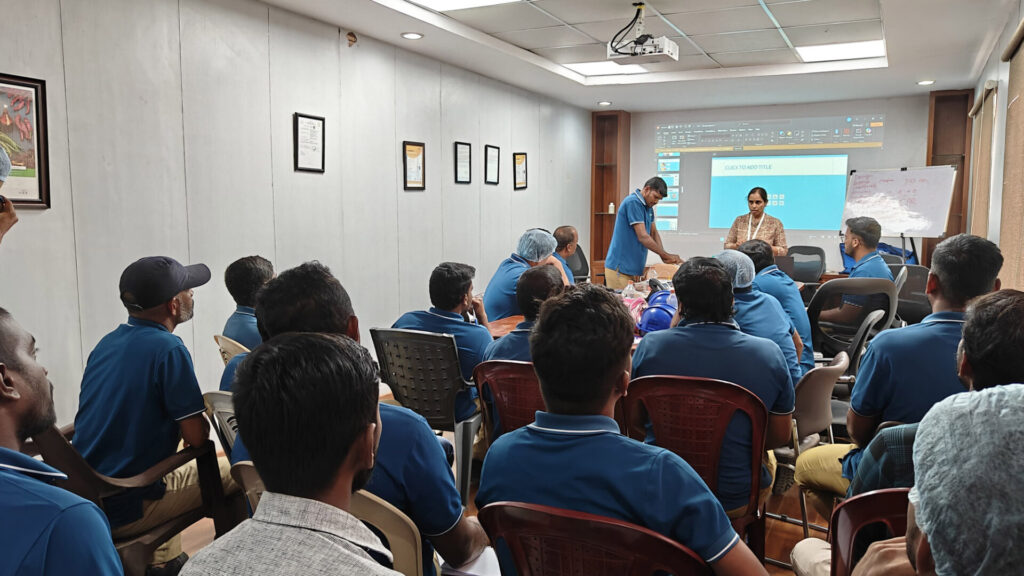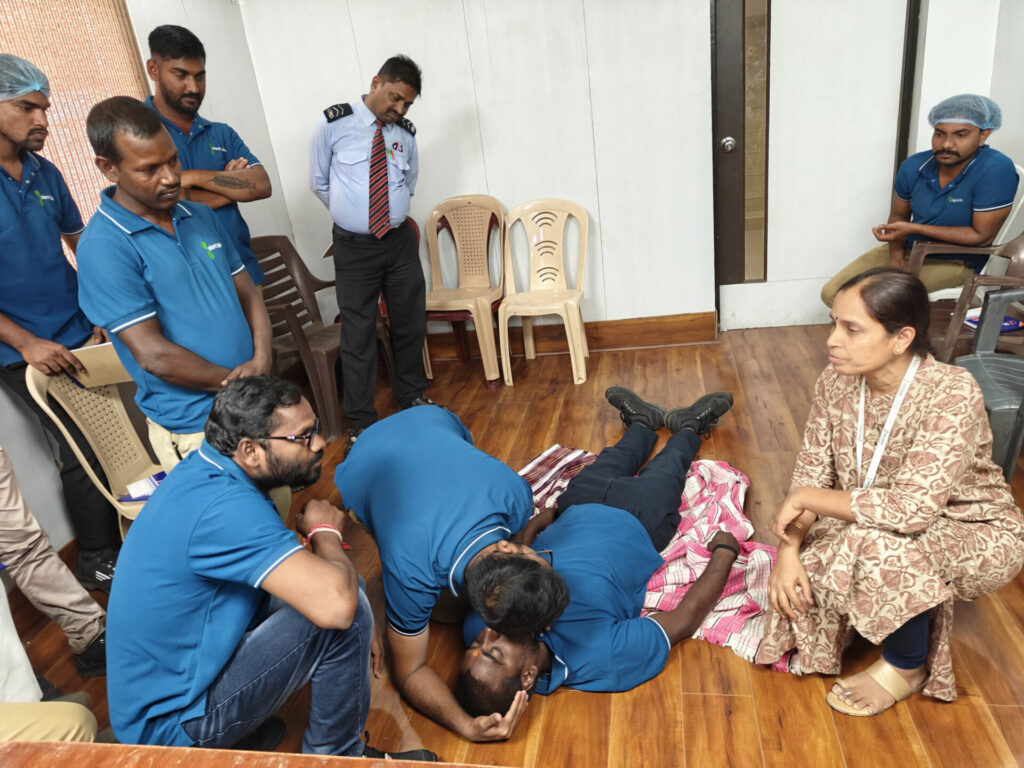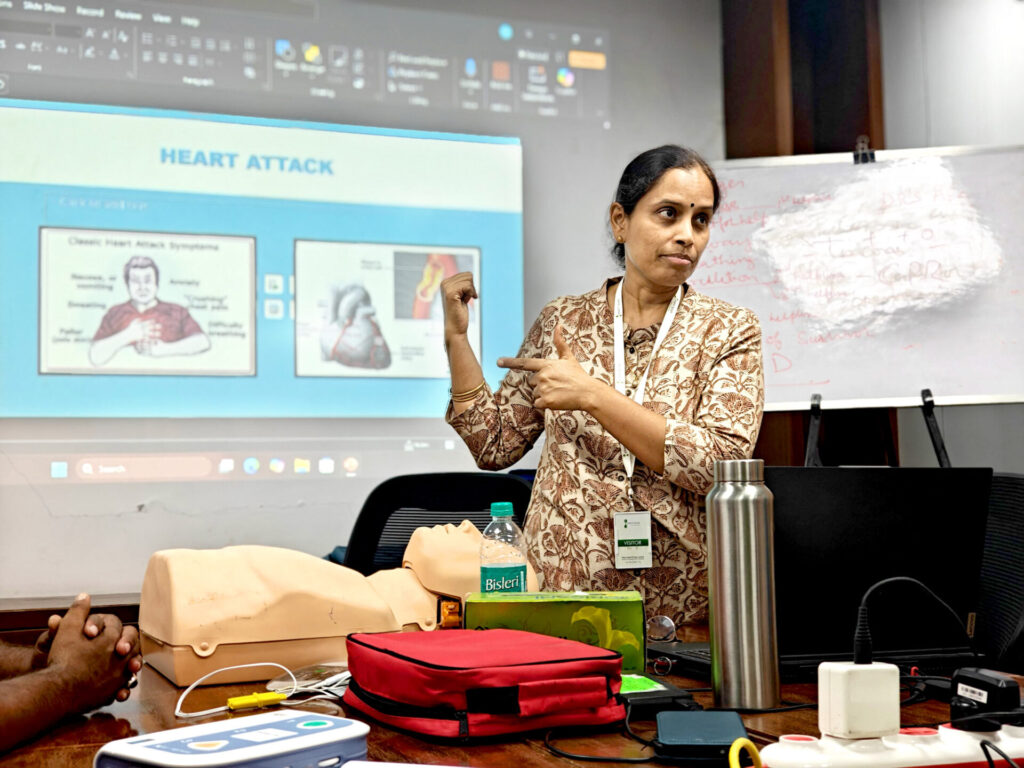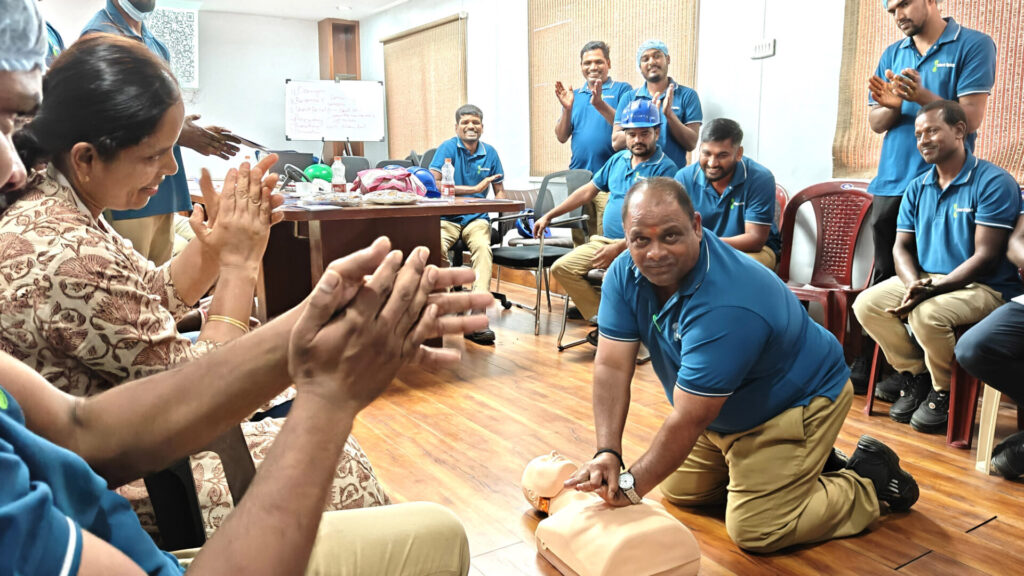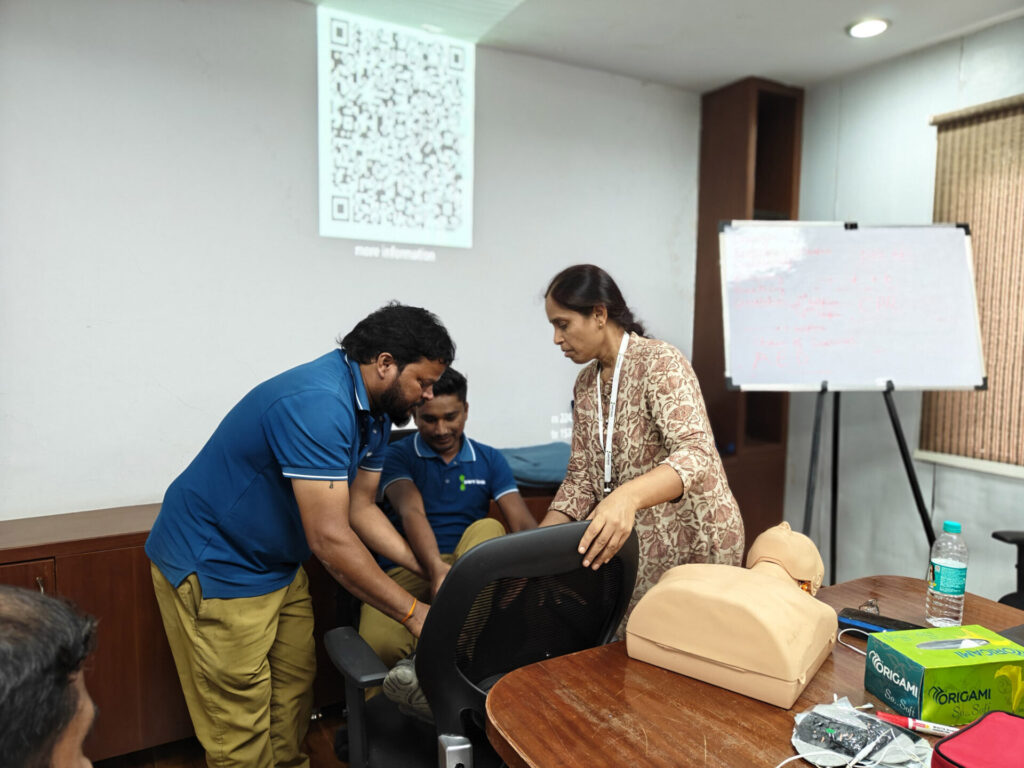

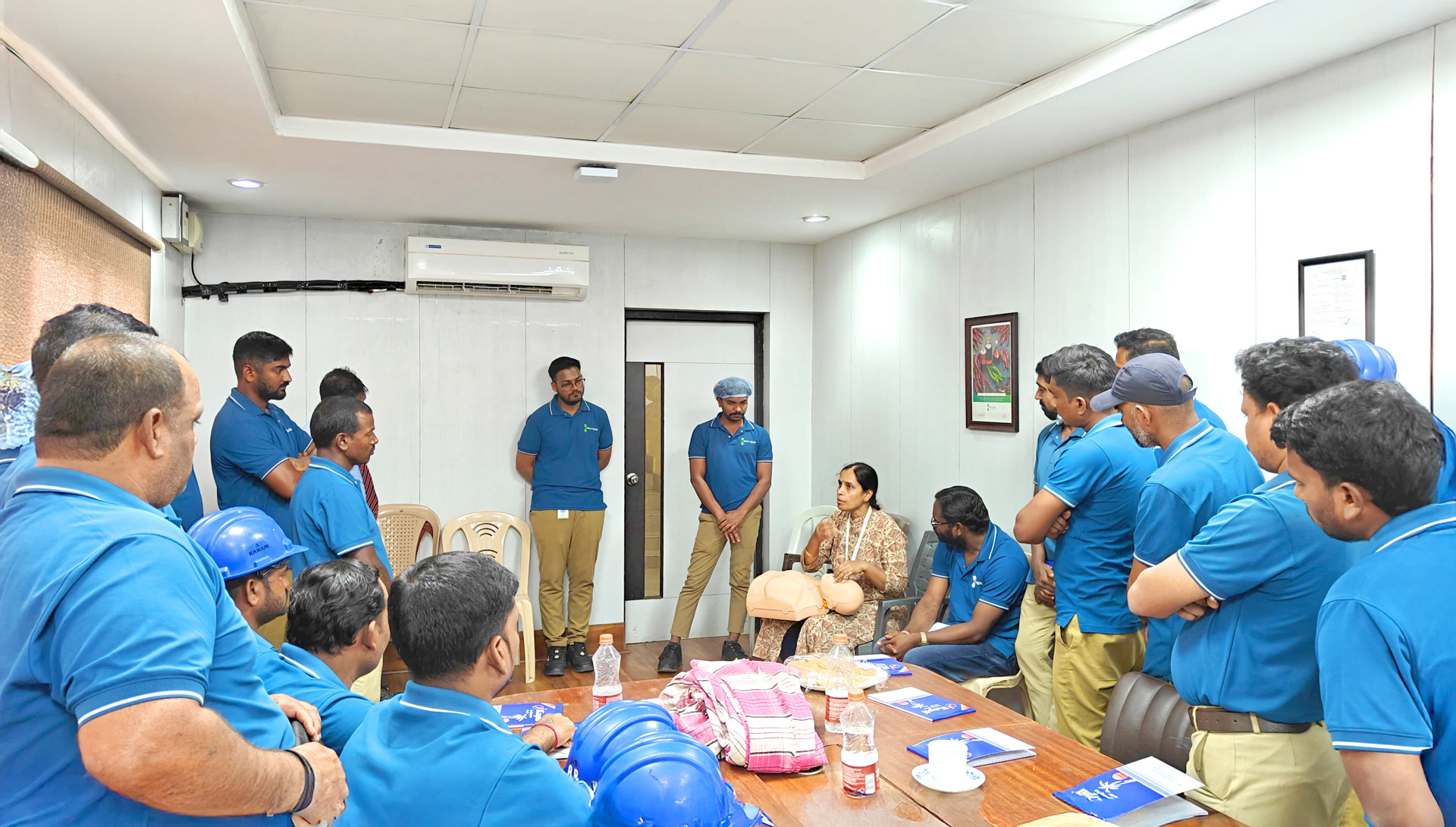

On Tuesday, 8th July 2025, Plant Lipids, Hyderabad conducted a Certified First Aiders Training session as part of its continued commitment to workplace safety and employee well-being. The training, held from 10:00 AM to 4:00 PM, was led by Dr. Savitha from St. John Ambulance, a respected organization in emergency response and first aid training. The session was both informative and hands-on, providing participants with essential life-saving skills and practical knowledge.
First aid training plays a vital role in enabling quick and effective responses during medical emergencies. It empowers individuals to provide immediate care before professional help arrives, which can make a significant difference in outcomes. The session emphasized the importance of being prepared—not only to handle common workplace injuries but also to respond in public emergencies, natural disasters, or accidents at home. One of the key takeaways was learning critical techniques such as CPR, bleeding control, and treatment for shock, burns, fractures, and unconsciousness. With this knowledge, employees felt more confident, better equipped to stay calm in emergencies, and able to support others effectively. The training also supported compliance with workplace safety laws such as the Factories Act and OSH codes, helping to strengthen Plant Lipids’ safety culture.
The Certified First Aiders course spanned three days in total, and participants received a certificate valid for three years. This certification is officially recognized by the Factories and Boilers Department of Kerala, making it an important qualification in occupational health and safety. During the session, participants were trained in the legal responsibilities of a first aider, how to assess priorities in emergencies, and the correct procedures for a range of medical situations.
Key topics included performing adult and child CPR, using an Automated External Defibrillator (AED), and treating different types of wounds. Attendees learned how to stop bleeding, apply dressings, and manage fractures and sprains using slings and immobilization methods. Special focus was given to the safe handling of spinal injuries. The course also covered the classification and treatment of burns, as well as necessary precautions. Other important areas addressed included recognizing symptoms and providing first aid for fainting, strogke, heart attack, asthma, epilepsy, poisoning, and diabetes. The session concluded with demonstrations on how to safely move injured individuals without causing further harm.