

We are delighted to announce the successful conclusion of our Varicose Vein Awareness Session, which took place on November 25th, 2023, at the Training Hall above the Veg Canteen. Facilitated by esteemed experts Dr. Gayathri and Dr. Aswathy, the session proved highly productive, insightful and well-received by all participants.
Dr. Gayathri and Dr. Aswathy provided invaluable insights, enhancing our understanding of varicose veins, while active participation and enriching discussions contributed to the session’s success. Attendees gained actionable tips on managing varicose veins and maintaining vascular health.
The session left a positive impact, equipping us with the knowledge to proactively address varicose veins. The valuable information shared by our experts empowers us to make informed decisions concerning our vascular health.
As we conclude this insightful session, let’s apply our newfound knowledge. Implementing the tips and insights gained can significantly contribute to our overall well-being. A heartfelt thank you to everyone who attended and contributed to the success of this session.
Stay tuned for more engaging and informative sessions aimed at enhancing our health and well-being.
If you’re interested in gaining more insight into the topic of varicose veins, continue scrolling for more detailed information.
Understanding Varicose Veins: A Thorough Guide
Varicose veins—a term frequently heard but not always fully grasped. learn more about this common yet perplexing condition at times that affects many individuals, including some of us. By gaining a deeper understanding of varicose veins, we can empower ourselves to take proactive steps toward better health and well-being.
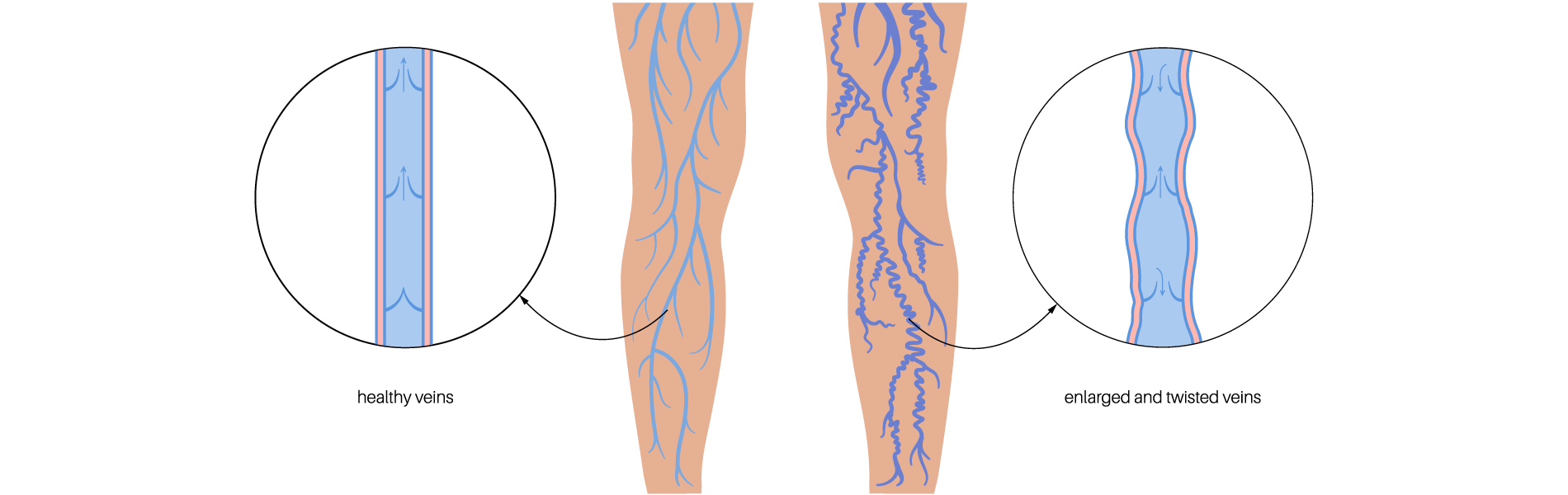
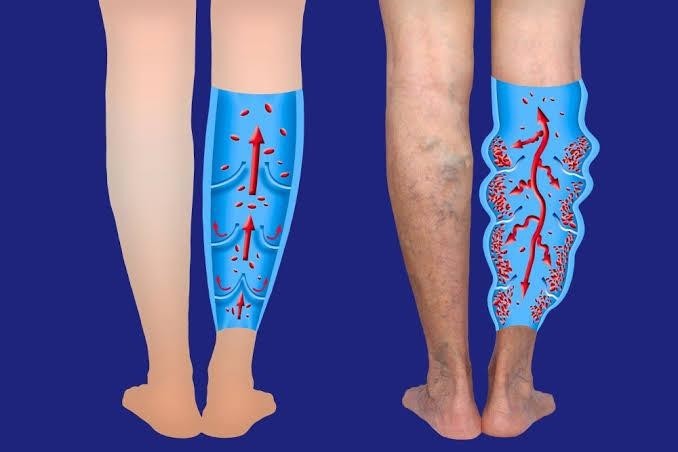
What Are Varicose Veins? Varicose veins result from a struggle in blood flow against gravity within the veins near our skin’s surface. It’s the consequence of blood having to move from the lower limbs upwards to the heart due to our upright posture.
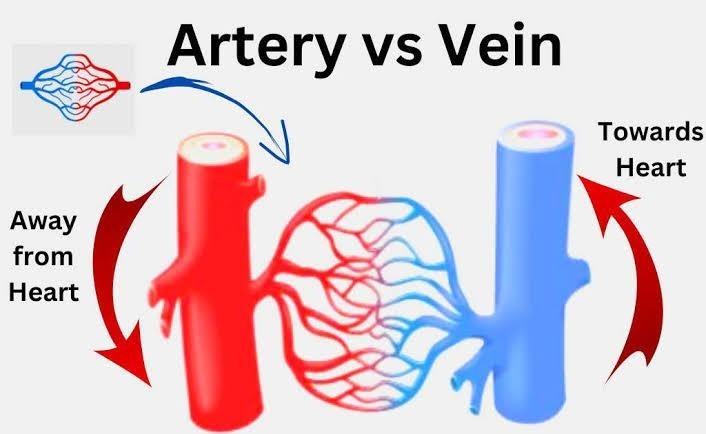
The Role of Blood Vessels – Arteries vs. Veins: Arteries lack valves, while veins are equipped with valves essential for smooth blood circulation.
How Common Are Varicose Veins? Studies reveal that varicose veins affect around 10%–30% of males and 25.1%–55% of females. Factors like prolonged standing at work, pregnancy, obesity, and family history significantly contribute to their occurrence.
Where Do Varicose Veins Appear? These twisted and bulging veins can show up in various areas such as hemorrhoids, lower limbs, and varicoceles.
What Causes Varicose Veins? Primary causes often involve an inherent weakness in the vein walls. Secondary causes include pregnancy, obesity, and metabolic disorders like diabetes and dyslipidemia.
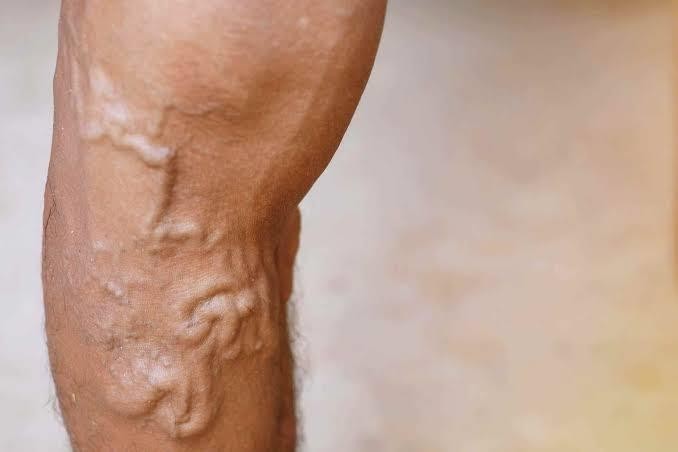
Identifying Symptoms of Varicose Veins: Recognizing varicose veins involves noticing twisted veins, a heavy feeling in the legs, burning sensations, cramping, swelling, itching, and changes in the skin around affected veins.
Varicose Vein
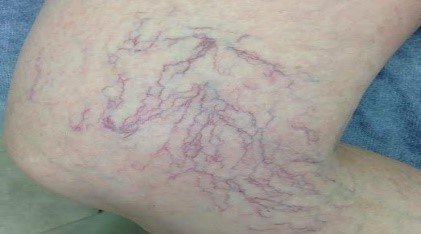
Spider Vein
- Aren’t dangerous by themselves.
- Some small blood vessels are damaged.
- Mostly a cosmetic issue.
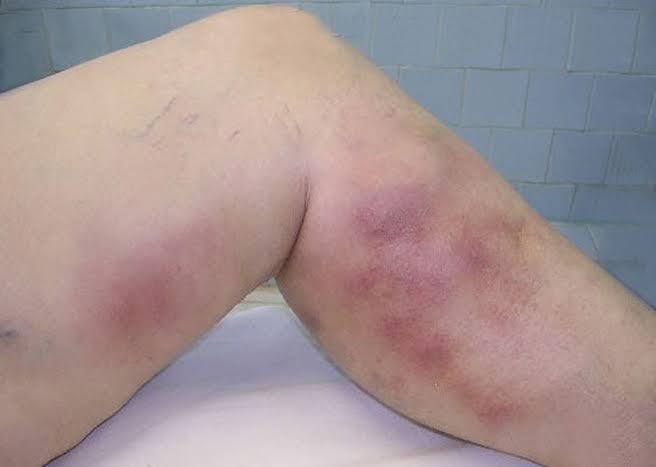
Thrombophlebitis:
A condition causing a blood clot to form and block one or more veins, often in the legs.
Deep Vein Thrombosis (DVT)
Occurs when a blood clot (thrombus) forms in one or more of the deep veins in the body, usually in the legs.
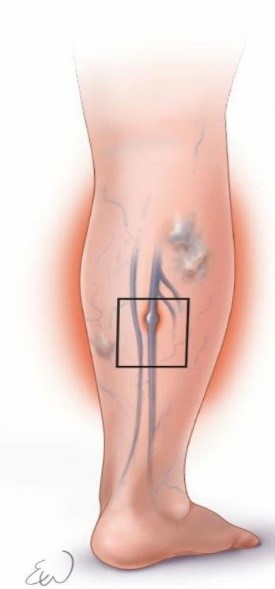
Diagnosis and Treatment Options: Diagnosis typically involves clinical examinations and venous Doppler ultrasounds of the leg. Treatments vary from conservative methods like laser therapy, sclerotherapy, and radiofrequency ablation to surgical vein stripping in severe cases.
Ayurvedic Approaches to Varicose Veins Ayurvedic treatments, such as Kashaya Pana, Arishta, Lepa, and Rekthamokshana, offer alternative paths toward relief.
Effective Measures and Dietary Adjustments: Simple steps like avoiding prolonged standing, wearing loose clothing, and adhering to a low-sugar diet can be helpful. Including specific foods like pumpkin, pineapple, leafy greens, vitamin E-rich items, and fibre-rich foods aids in managing varicose veins.
Preventive Practices and Complications: Avoiding high heels and tight clothing, changing positions regularly, exercising, managing weight, and using compression stockings are preventive measures. Understanding potential complications, like ulcers or blood clots, emphasizes the importance of managing varicose veins effectively.
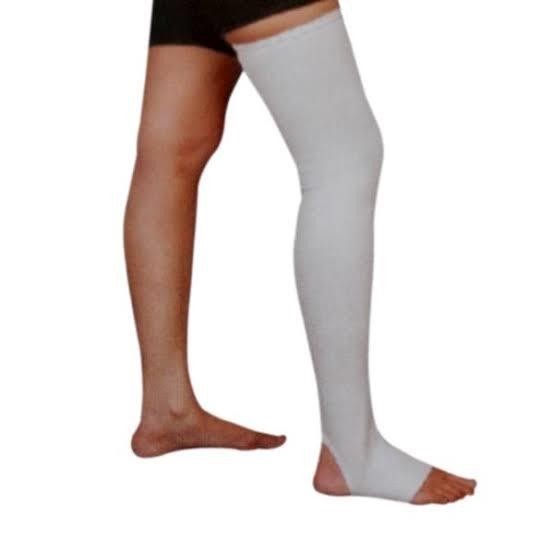
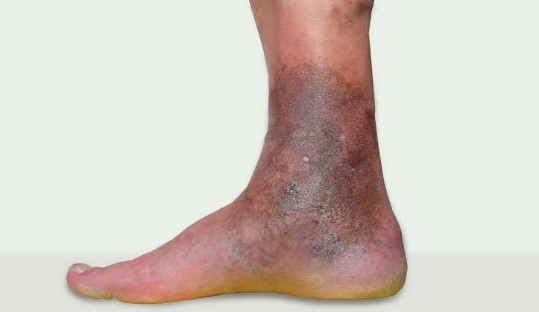
Yoga Postures for Relief: Sarvangasana, Pavanamuktasana, and Sethubandhasana are yoga poses known to provide relief from varicose veins.
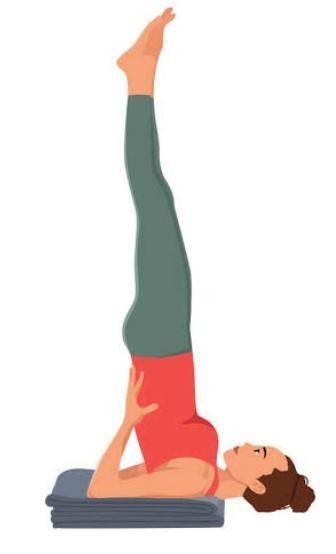
Sarvangasana
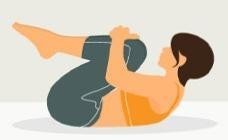
Pavanamuktasana
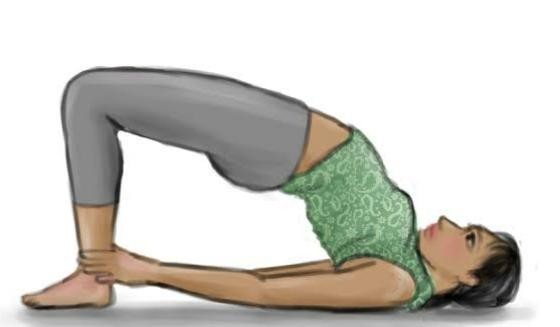
Sethubandhasana
We hope this comprehensive guide sheds light on varicose veins, encouraging us all to prioritize our vascular health. By understanding and implementing these practices, we take a step toward healthier living and well-being.